Trying to decide between a condo or a co-op on the Upper West Side? You are not alone. The choice shapes your day-to-day life, your flexibility to rent or renovate, and your long-term resale strategy. In this guide, you will learn the practical differences that matter in the UWS market so you can move forward with clarity and confidence. Let’s dive in.
Big-picture difference: condo vs co-op
A condo gives you a deed to your apartment and an undivided interest in the building’s common areas. A co-op gives you shares in a corporation that owns the building along with a proprietary lease for your specific unit. Both have boards, but their powers differ.
In co-ops, boards typically have broader control over whom they approve and what you can do in your unit. In condos, boards focus on building rules and common areas and generally cannot veto sales as broadly. This basic distinction affects how you buy, how you finance, and how easily you can sell or rent later.
Board approval and timeline on the UWS
Co-op purchases usually require a formal board package that includes financial statements, tax returns, bank statements, reference letters, and more. Many buyers also attend an interview. On the UWS, this review commonly adds 2 to 6 weeks after contract, and some buildings take longer.
Condo approvals are typically administrative. You provide identification and financing details, and a formal interview is uncommon. The lighter process often shortens the path to closing compared with co-ops.
What boards often expect
- Co-ops: Detailed financial disclosure, higher down payments, and post-closing liquidity. Many boards want 20 to 25 percent down at minimum. Some expect more for non-primary buyers or weaker financials, and many look for several months to 1 to 2 years of maintenance in liquid reserves.
- Condos: Proof of funds and loan approval are typical. Down payments of 10 to 20 percent can be possible, though investors often put down 25 to 30 percent or more depending on building and lender rules.
Financing and down payments
A co-op loan is secured by your shares in the building. Lenders underwrite you and also review building financials, reserves, and policies. Some lenders are cautious with co-ops that have thin reserves or pending litigation.
Condo loans are conventional mortgages secured by real property. Lenders use standard condo criteria, and some national programs apply only to condo projects that meet their approvals. Because condo approvals are more standardized, financing can be more straightforward.
Typical timing
Condo deals can close in 30 to 60 days when all parties are aligned. Co-op deals more often run 45 to 90 days or longer due to board processing. If you need speed, a condo can be the more predictable path.
Subletting, rentals, and short-term rules
Co-ops on the UWS often restrict subletting. Many require you to own for 1 to 2 years before renting, limit how many apartments can be rented at once, set maximum sublet durations, and require board approval for each subtenant. Some co-ops make subletting difficult, which is important if you need flexibility.
Condos are usually more permissive. Many allow rentals with basic paperwork and minimum lease terms, though rules still vary by building. Both condos and co-ops can prohibit short-term rentals, and local regulations impact what is allowed and how it is enforced.
Pets, renovations, and daily life rules
Pet policies vary. Many UWS co-ops allow pets with rules about size or breed, and some require approval. Condos often have clearer, flexible pet rules set in bylaws and house rules.
Renovations always require planning. Co-ops typically require board approval for significant work, building-approved contractors, insurance certificates, and deposits. Condos also require permits and contractor insurance, but rules are often less restrictive. In both, confirm working hours, elevator use, deposits, and approval timelines before you start.
Monthly carrying costs and taxes
Co-op maintenance combines multiple line items into one monthly payment. It usually covers building operations and your share of the building’s real estate taxes. If the building has an underlying mortgage, your maintenance also reflects that payment. Many prewar co-ops include heat and water, which can stabilize winter costs.
Condo carrying costs are split. You pay common charges for operations and reserves and you pay your real estate taxes directly to the city. Heat and water may be included in common charges, or you may pay based on meters, depending on the building.
Both condos and co-ops can levy special assessments for capital projects. On the UWS, older buildings sometimes assess for facade work, major system upgrades, or reserves. Review reserves and recent assessment history to avoid surprises.
Tax treatment at a glance
- Condo owners generally deduct mortgage interest and property taxes, subject to federal rules.
- Co-op shareholders typically can deduct their pro rata share of building real estate taxes and mortgage interest when the co-op provides supporting statements.
Always confirm current rules with your tax advisor, especially around deduction caps.
Closing costs and transfer mechanics
Condos transfer real property by deed. Closing costs include title, recording, lender fees, and applicable transfer taxes.
Co-ops transfer shares and a proprietary lease. The fee structure and taxes can differ from deeded transfers, and many co-ops have flip taxes or transfer fees that impact seller proceeds and pricing. Expect move-in and move-out fees in both property types, and rely on your closing attorney for precise estimates.
Upper West Side market context
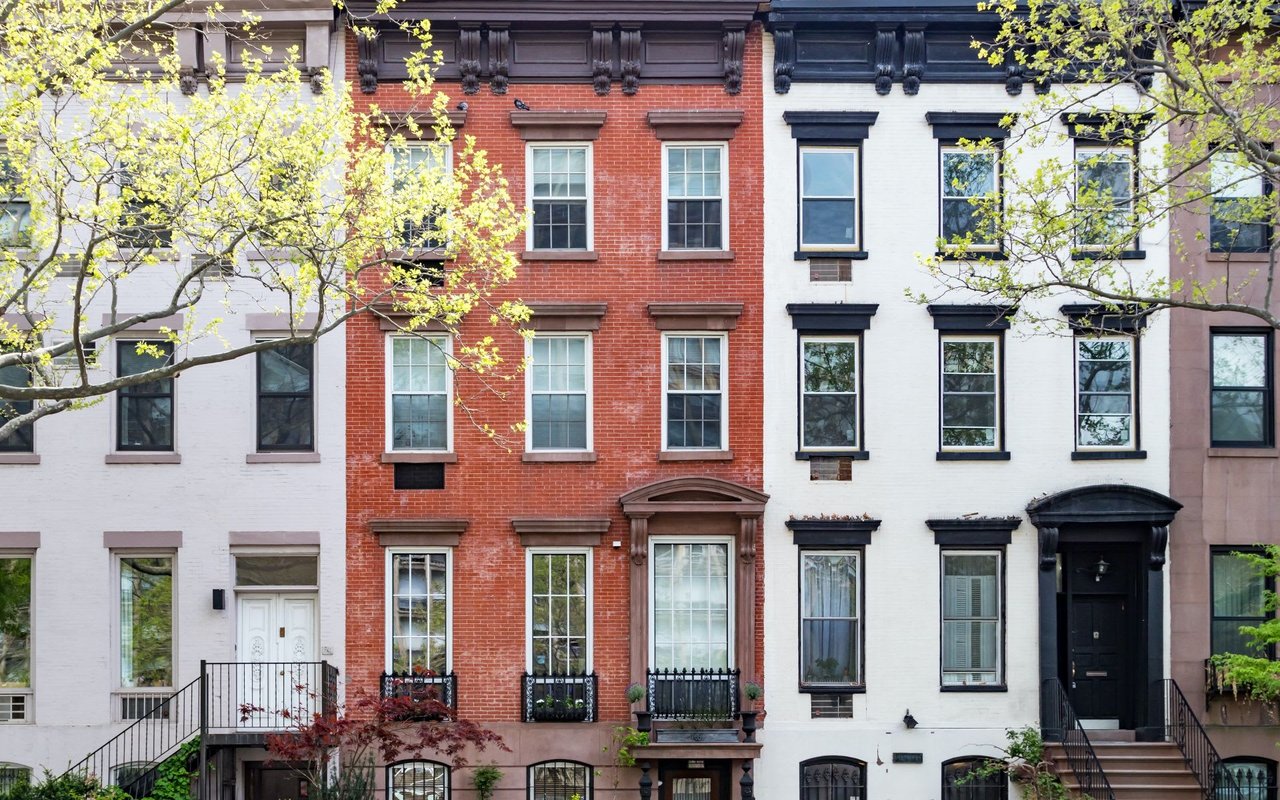
The Upper West Side is known for prewar co-ops along Central Park West, Morningside Heights, and side-street brownstones. These buildings attract primary users who value classic layouts, high ceilings, and established governance. Co-ops often trade at lower prices per square foot compared with condos, offering space value but with stricter rules.
Condos on the UWS cluster in newer developments and conversions, including towers near Lincoln Center and Riverside South, as well as select boutique projects. These appeal to buyers who want deeded ownership, more flexible rental rules, modern amenities, and wider resale reach.
Resale and pricing dynamics
Condos usually sell to a broader buyer pool, including investors, international buyers, and corporate relocations. That can support faster sales and more liquid pricing. Co-ops reach a narrower audience due to board approval and stricter financial thresholds, which can extend marketing time.
Per-square-foot prices are often higher in condos, reflecting flexibility and amenities. Many co-ops offset this with larger room sizes and classic details at lower price points per room. Factor in flip taxes and rules that may shape your net proceeds and timing.
Which fits you? Quick buyer profiles
- Choose a co-op if you prefer classic architecture, expect to live there as a primary home, and are comfortable with board oversight. You value stability, are fine with detailed financial disclosure, and do not need near-term rental flexibility.
- Choose a condo if you want maximum flexibility on renting, a faster and simpler approval process, and the broadest future buyer pool. You are comfortable paying real estate taxes directly and likely a higher price per square foot for that flexibility.
Practical checklist for UWS buyers
- Review the offering plan, bylaws or proprietary lease, house rules, recent board minutes, financials, and any reserve study.
- Ask about recent or upcoming capital projects, assessments, and the current reserve fund.
- Confirm what the monthly fee covers, including heat and water, and typical annual increases.
- Verify move-in and move-out rules, elevator booking, storage, bike room, and amenity fees.
- If financing, confirm lender requirements for co-ops or condos and any building-specific conditions.
- For co-ops: Ask about interview timing, minimum ownership periods before subletting, sublet caps, and any flip tax or transfer fee.
- For condos: Confirm rental rules, minimum lease terms, any rental caps, and whether investor ownership is permitted.
Red flags to watch
- Co-ops: Low reserves relative to building age, frequent or large assessments, restrictive sublet rules if you need flexibility, unclear proprietary lease language, or pending litigation.
- Condos: Limited reserves, ongoing construction issues or claims, management turnover, complex master lease structures, or lack of alignment with your financing program.
Next steps
Whether you lean condo or co-op, your best move is to align your lifestyle, financing, and exit strategy with the building’s rules and financial health. Read the documents, run the numbers, and pressure test your plan for subletting, renovations, and resale. With the right guidance, the Upper West Side can offer the best of both classic charm and modern convenience.
If you want senior-level advice tailored to your goals, connect with the 212Bravo Team. We combine discreet, boutique service with market analysis to help you choose the right path on the UWS.
FAQs
How does condo vs co-op ownership work on the UWS?
- A condo gives you a deed to your unit, while a co-op gives you shares in the building corporation plus a proprietary lease for your apartment.
What is the typical co-op board timeline for approval?
- After contract, many UWS co-ops take 2 to 6 weeks to review a complete package and schedule an interview, with longer timelines possible in some buildings.
How do down payment expectations differ between condos and co-ops?
- Co-ops often expect at least 20 to 25 percent down, sometimes more, plus post-closing liquidity; condos can allow 10 to 20 percent down depending on building and lender.
What are the rental and subletting rules in UWS buildings?
- Co-ops frequently limit subletting with ownership minimums and caps; condos typically allow rentals with administrative steps and minimum lease terms.
How do monthly costs compare between co-ops and condos?
- Co-op maintenance often includes building taxes and sometimes heat and water; condo owners pay common charges plus property taxes directly.
How do resale prospects differ for condos vs co-ops on the UWS?
- Condos usually draw a broader buyer pool and sell faster; co-ops reach a narrower audience due to board approvals and stricter financial criteria.